
Dean Lindsay Cronk: Transforming Tulane University libraries
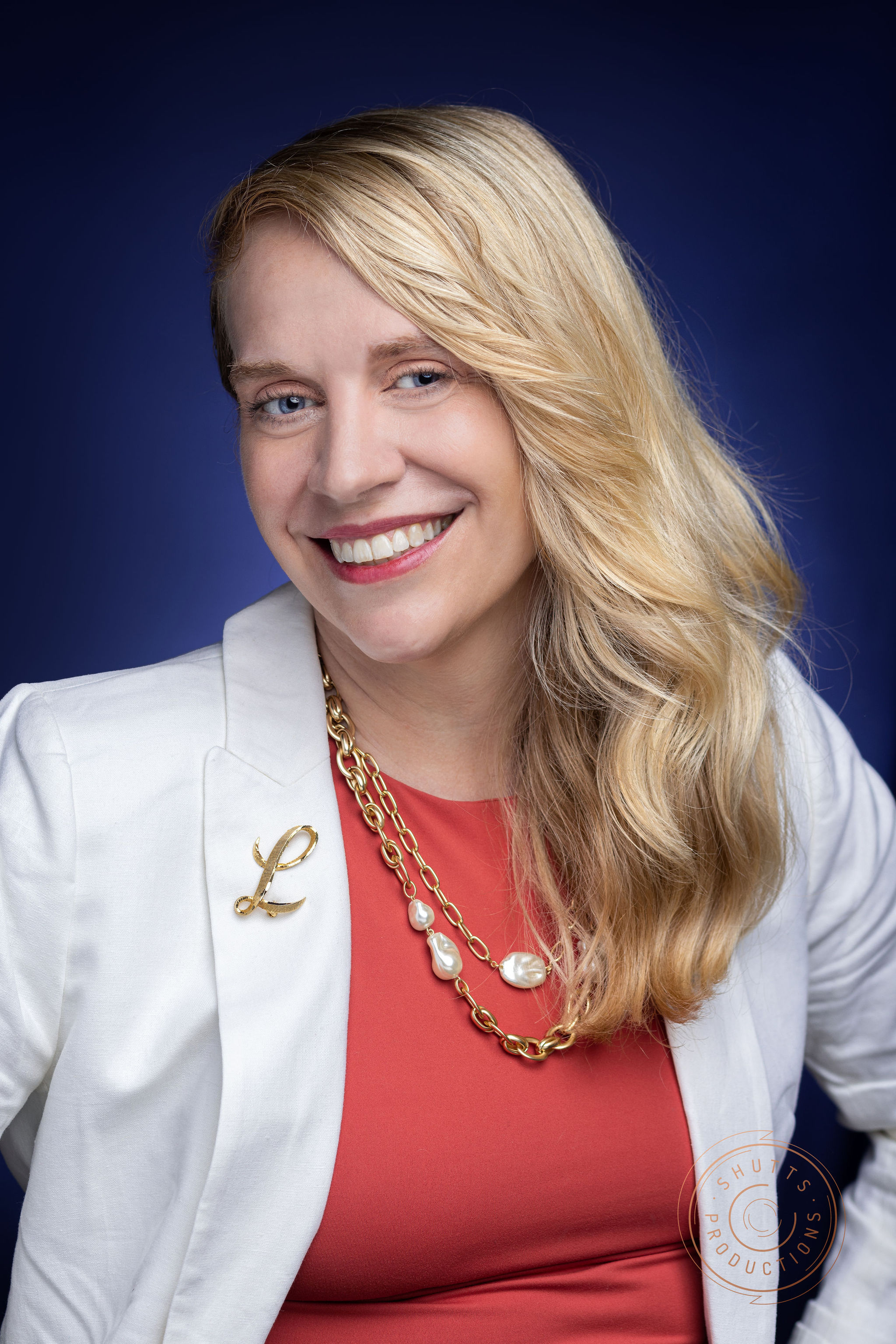
In her role as dean of Tulane University Libraries, Lindsay Cronk manages a range of responsibilities, from the extraordinary to the everyday, each essential to the mission of the libraries.
Highlighting the extraordinary holdings in Tulane’s collections, Cronk shares her encounter with The Codex Tulane. She recalls her initial glimpse of the 20-foot-long deerskin Mesoamerican manuscript dating back to the 16th century, saying, “When I saw it for the first time, I shrieked out loud. Truly, I did. I’d never seen something that cool in a library.”
Equally important to Cronk are the everyday efforts to support the Tulane community: “We’re doing all kinds of work just to make the resources that students and faculty need accessible every day,” she explains. “We are increasing investments in textbooks to reduce costs to students, acknowledging that not every student has the same level of personal resources, and we don’t want financial decisions to affect education.”
"Tulane’s collections are so rich, spectacular and deep.” — Dean Lindsay Cronk
Cronk became dean of Tulane Libraries in August 2023, and she has hit the ground running. As one of her many initiatives, she greenlit a massive project to catalog uncatalogued rare books. She emphasizes the importance of this task, saying, “If it doesn’t have a catalog record, you’re never going to find it, so we’re making sure that everything that’s ever been acquired in the library is fully described and accessible to students, faculty, alumni, etc.”
Describing the scope of this project, Cronk notes, “It’s a serious undertaking,” given the libraries’ extensive collections that include over three million books, plus many more DVDs, records, electronic books and journals. “Tulane’s collections are so rich, spectacular and deep.”
Cronk came to Tulane after a six-year stint at the University of Rochester, working the final two as the assistant dean for scholarly resources and curation. Her career spans both corporate and academic librarianship. She was recruited to the Tulane position, and she felt drawn to the university immediately.
“There was a sort of synchronicity. In Tulane’s audacity, the bold thinking, the entrepreneurship, I saw a real connection,” Cronk says, describing the parallel between her mission ensuring libraries are accessible and Tulane’s broader commitment to its community. “There’s a connection between the work of opening access to resources, of making sure that spaces and services and libraries are welcoming, and this institution’s commitments to pursuing the Strategy for Tomorrow, working towards sustainability. There’s a core alignment that makes library work at Tulane particularly meaningful and powerful.”
During her interview for the position, Cronk was impressed by her future colleagues and felt a strong connection. But it was her lunch meeting with Tulane students that sold her on the university. “They were all just bubbling with ideas. That spirit was incredible,” she remembers. “This is a very singular place. It’s very special. And I feel as though I have found not just an amazing library, not just an incredible institution, but a professional home.”
As for incredible works in the university’s libraries, there are many. The Codex Tulane is in the Latin American Library, which Cronk calls the strongest Latin American collection in a private institution. The Hogan Archives of New Orleans Music and New Orleans Jazz stands out for its magnificence. The Louisiana Research Collection, likewise, has numerous important works for example, the John Kennedy Toole Papers including the original manuscript of A Confederacy of Dunces: “A seminal and singular work of American literature,” says Cronk. She shared the recent acquisition of the Antenna Press publications as “cause for celebration and a source of inspiration.”
Cronk has a special message for Tulane alumni, emphasizing the library’s role in safeguarding the university’s history. “We are preserving Tulane’s legacy, and we are making sure that it’s there for you and what’s academic isn’t only what’s scholarly” Cronk explains. “If you want to go back and look at your yearbook or an article in The Hullabaloo to figure out the name of that boy you had a crush on in your philosophy class or that lecture that you went to that changed your life, our resources can help with that too. Our alums are curious, amazing, lifelong learners, and the library is their resource long after graduation.”
Furthermore, Cronk wants to make sure that alumni know about the Tulane Digital Library (TUDL) and its treasures. The Hullabaloo will soon be completely online thanks to alumni passion. Cronk invites alumni to contribute suggestions for additional resources they would like to see featured in TUDL.
Highlighting the universal connection all alumni share with the library, she adds, “Everyone is an alum of the library as much of the university, and we’re here for you no matter what, where or when. Maybe you weren’t that kid that hung out in the stacks then. But now, if you’re interested, and you want to dig into your Tulane legacy and learn more about it, we are here for you.”
For information on how you can obtain an alumni library card, click here.
